
Outdoor Spaces Work Best When They’re Designed Backwards
Outdoor Spaces Work Best When They’re Designed Backwards
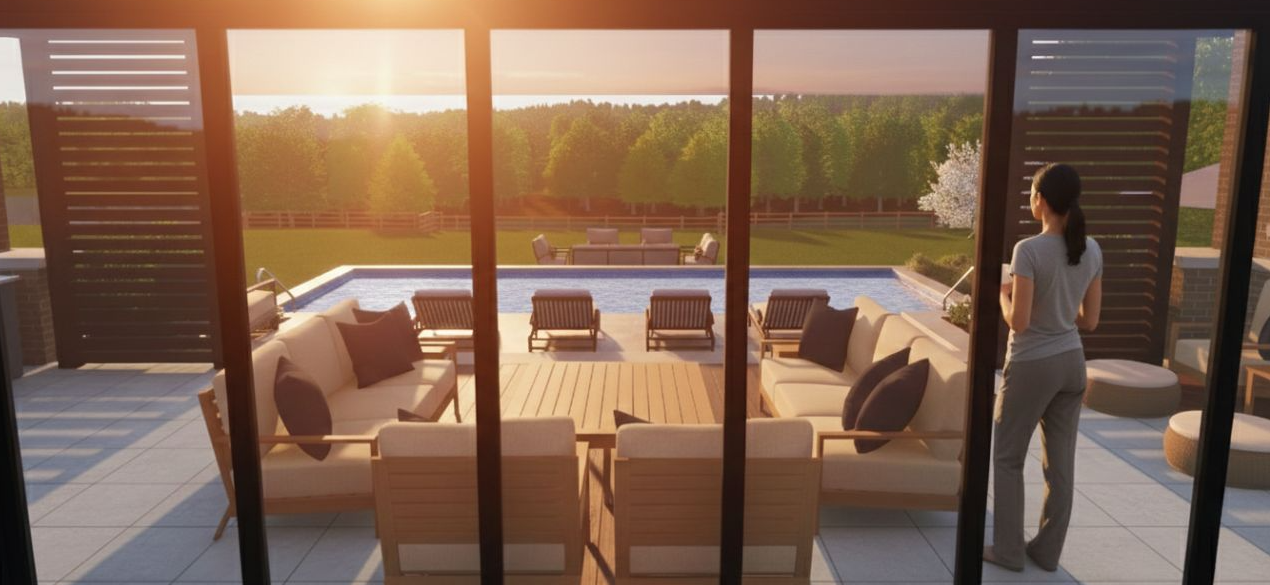
Someone is standing at their window right now, coffee in hand, staring into the backyard. They’re imagining what it could feel like out there. Where they would sit. Where the sun would land in the evening. Where conversations might linger longer than planned.
Most outdoor projects don’t start there. They start with features. A patio here. A pergola there. A kitchen added because it looked good in a photo. The problem is that none of those decisions begin with how the space will actually be lived in.
The strongest outdoor spaces are designed backwards. You start with moments. Where does the day begin. Where does it slow down. Where do people naturally gather without being told where to sit. Those answers shape everything that follows.
Once the moments are clear, the layout becomes obvious. Circulation makes sense. Seating feels intuitive. Views are framed instead of accidental. Nothing feels forced because the space is responding to behavior, not trends.
When design is rooted in use, excess disappears on its own. What remains is quieter, clearer, and easier to live with over time. Outdoor living improves when decisions are driven by life, not by lists of features.