
How to Tell If an Outdoor Project Will Hurt Your Home’s Value
How to Tell If an Outdoor Project Will Hurt Your Home’s Value
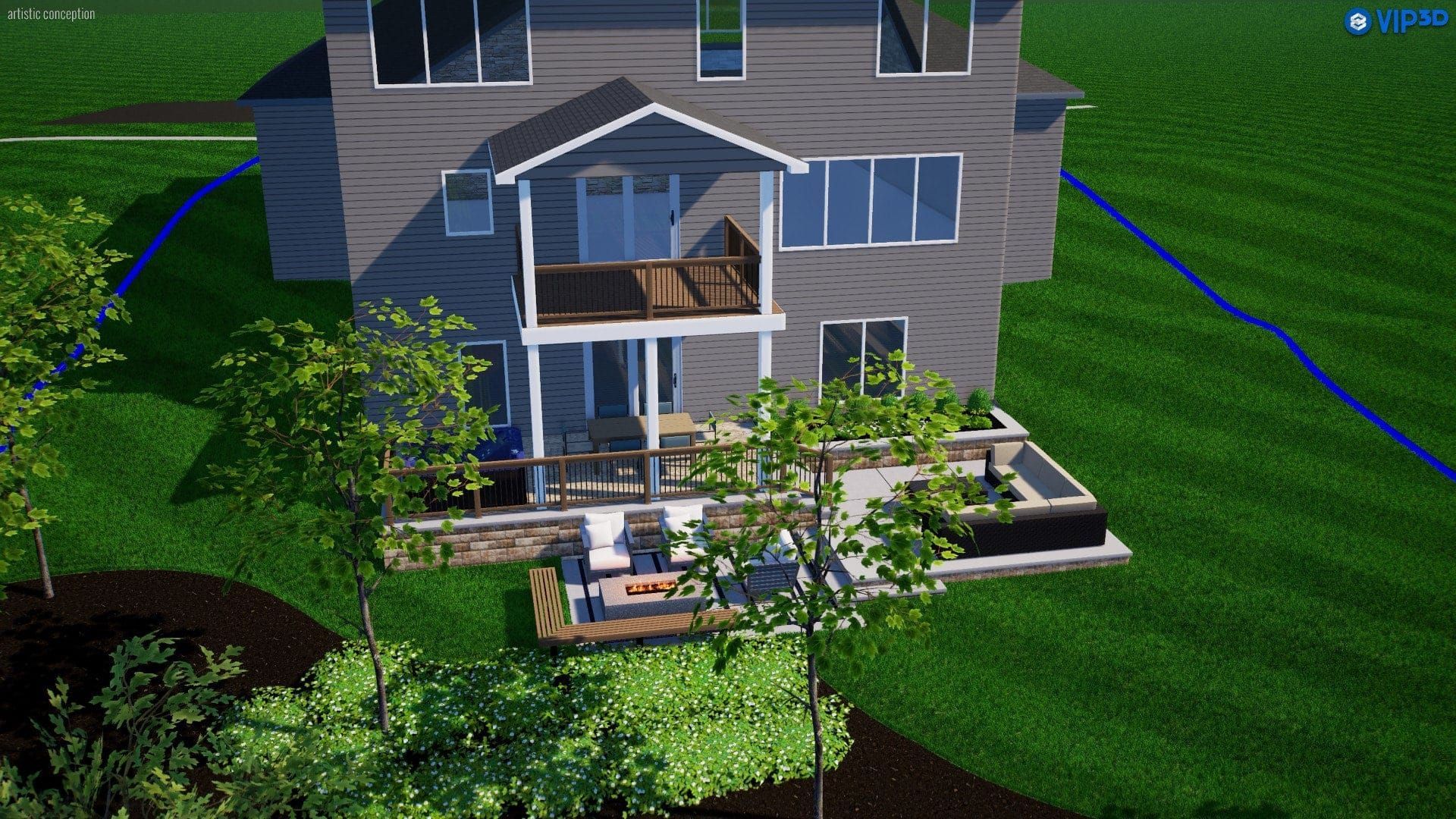
Over the years, I have sat in many meetings where homeowners say something similar. The design looks great, but it feels like more than the home is worth. The natural reaction is to reduce the scope or search for a less expensive option.
Reducing scope is not the problem. A smaller version of a well thought out design can still add value. The issue begins when the project loses its relationship to the home.
An outdoor project starts to hurt value when it feels placed rather than designed. A slab of concrete that does not align with door locations. A deck stretched across the back of the house without regard to views. A retaining wall built with generic materials that do not relate to the architecture. These elements create outdoor space, but they do not create cohesion.
Buyers may not be able to articulate why something feels off, but they sense it immediately. When materials, proportions, and layout do not connect to the house, the space feels temporary. That perception affects value.
Longevity matters as well. Projects built without attention to drainage, foundation work, and proper detailing often begin to fail within a few years. Settling pavers. Leaning walls. Loose treads. What was meant to improve the home becomes something that needs to be repaired.
A good outdoor project does not need to be oversized. It needs to belong. When the space feels like it was meant to be part of the home from the beginning, it protects value and often enhances it. When it feels like an afterthought, it does the opposite.
The question is not whether you should scale a project up or down. The question is whether the design still respects the house.